Task
Interaction Design, UX
Date
Category
Interaction, UX
Project Description
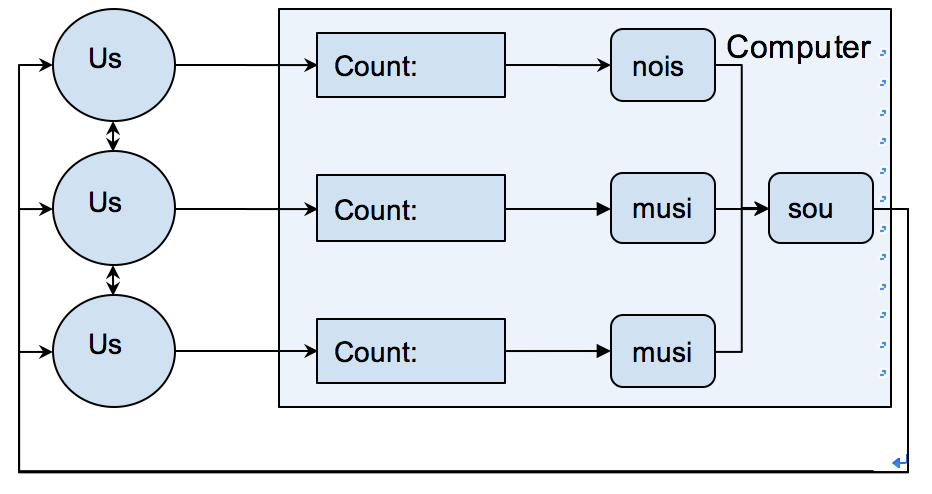
Body Music Control is a game which is a game which encourages its users to move and come together by letting them interact with music through movement. One to three Android smart devices are used to gather acceleration of users’ movement and the amount of movement in turn is used to modify certain elements of the music. The users control the pitch and volume of the music, as well as the volume of noise applied to the music.
Concept Design
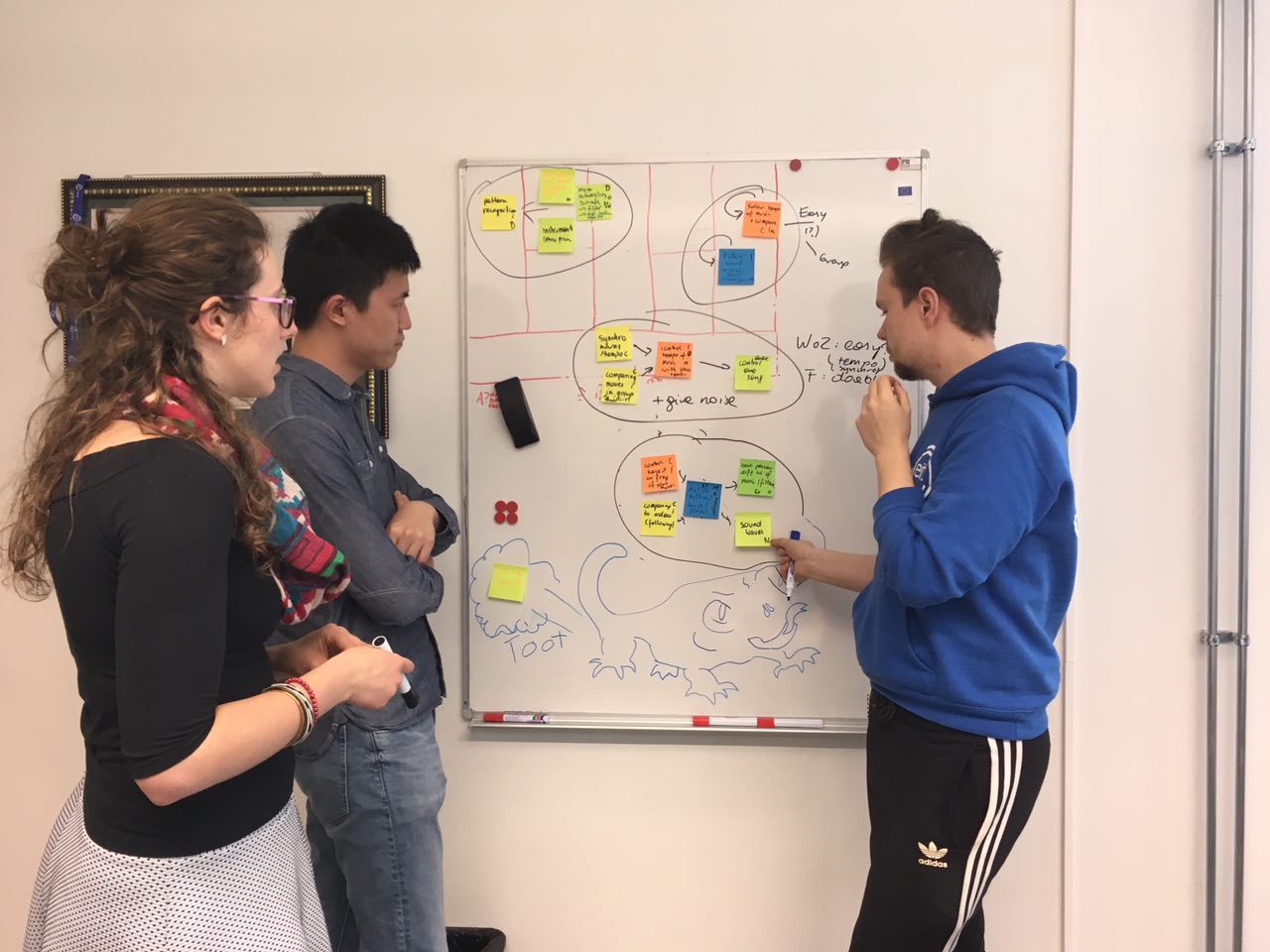
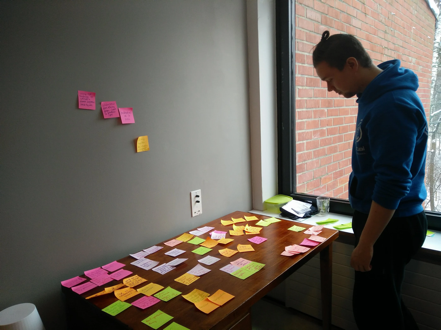
Even before the idea of Body Music Control was structured, we started by writing down the goal of what we want to achieve, which was: an entertainment with an emergent user interface designed for groups of people that will motivate them to move. Having that, we participated in the ideation session during which we come up with ideas such as using EEG and EMG signals to control the music; controlling the heat by pressure or proximity measurements; using eye tracking for controlling heat or pressure activators and using accelerometers to create music. We decided on the latter, as accelerometers give a lot of movement possibilities and we had some experience with accelerometers.
An overview of a Body Music Control setup with three users can be seen in the Figure. The users do not have a visual interface to the system and the output of choice for the system is sound.
User Study
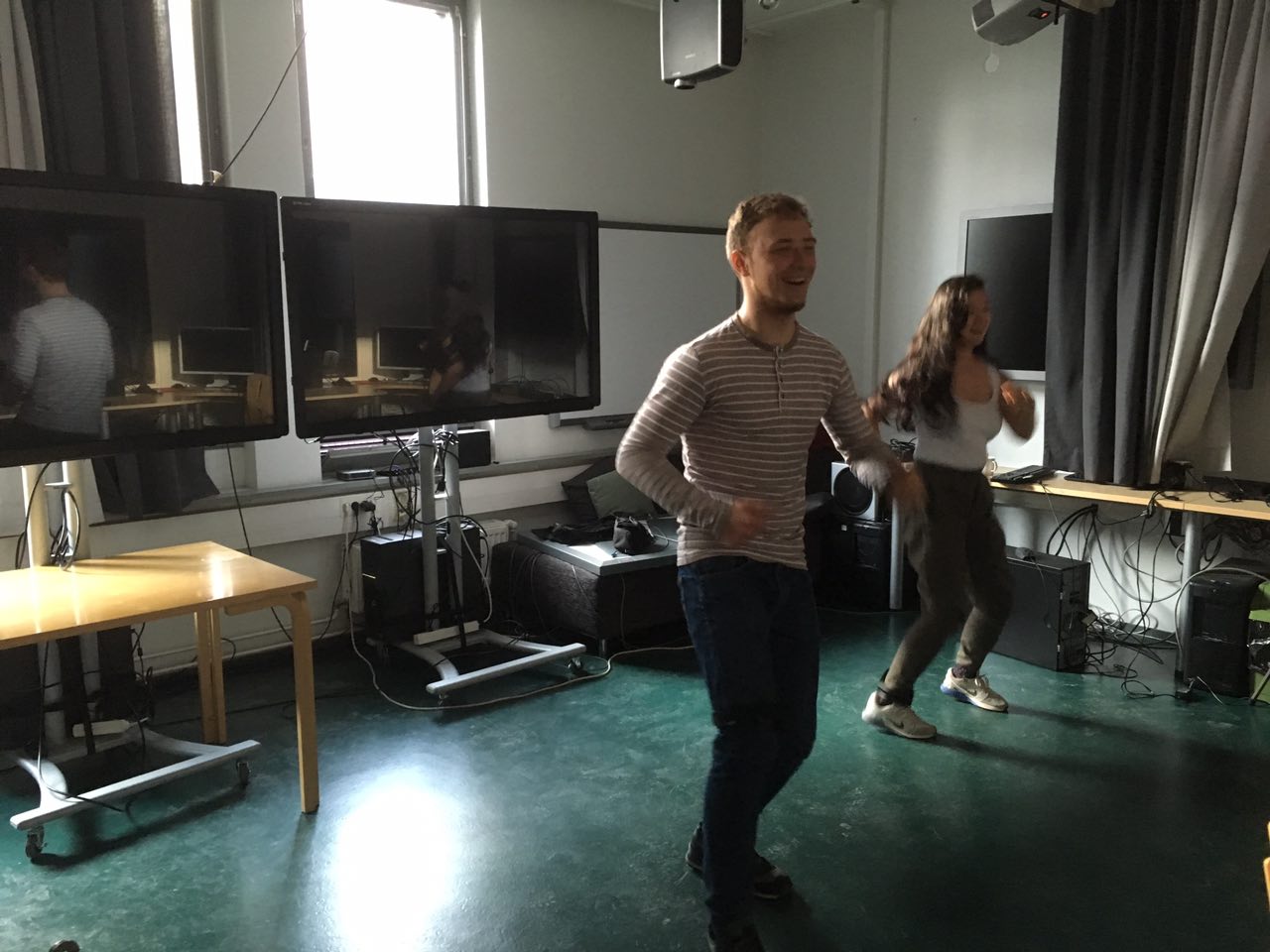
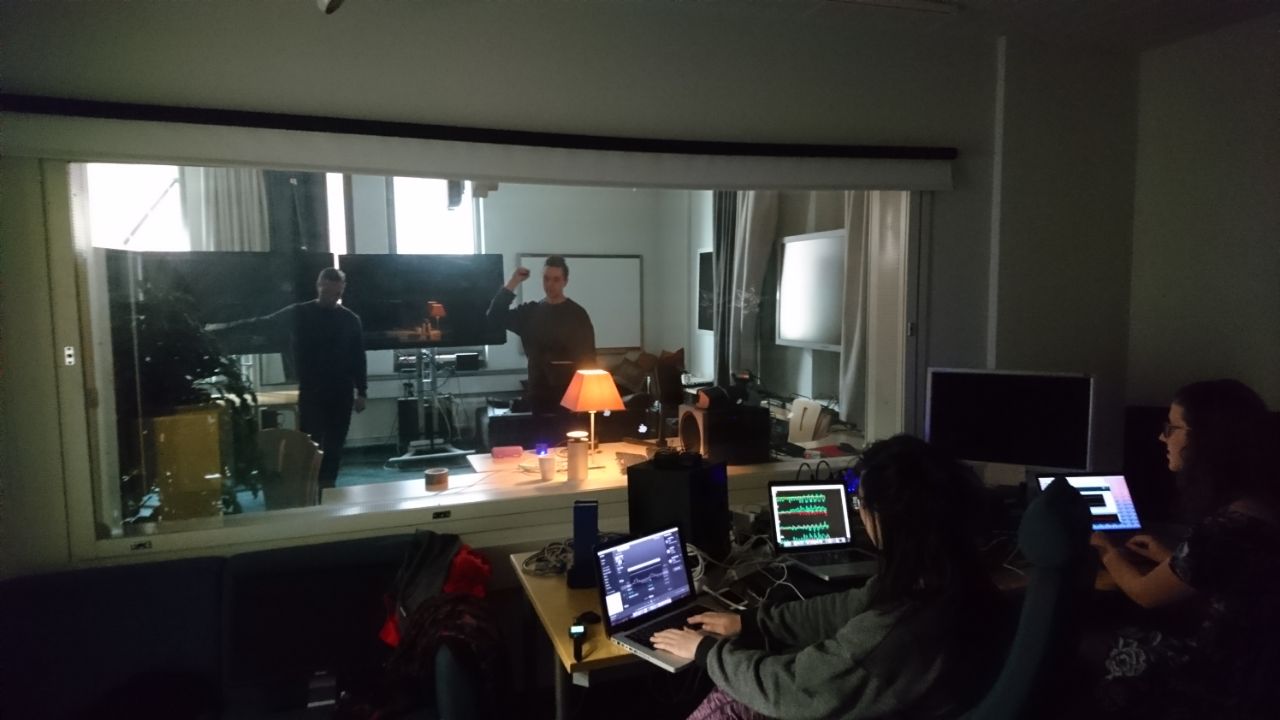
The user study explored different task setups (variations on input and musical output) by using a Wizard of Oz technique. We booked the usability lab in the Computer Science building, which allowed us to have users observed whilst test moderators sat behind the one-way window and controlled different parameters of the music in response to the user’s movements.
Goal
The goal of user testing was to understand how people most enjoy creating music by movements in a group. Specifically, we wished to examine:
● which movements feel good with other people;
● what kind of sounds users enjoy;
● where it is the most comfortable for users to have sensors (watches) attached;
● what task setup is the most engaging for users;
● which movements we can measure using accelerometer, while standing up.
Results
In the end, we tested five users who were not part of our team. All users were students who reported that they had concerns over sitting too much in everyday life. The test was extremely useful to us, as we gained an idea of what setup was most enjoyable for the users as well as technically possible for us to create. Users generally readily interacted with the system and in the end of the user tests reported the use of Body Music Control as having been fun.
Final Project
Team Members